
Security Operations
The Illusion of the Digital Magic Wand
Why buying an expensive cybersecurity product is not the same as building a security capability.
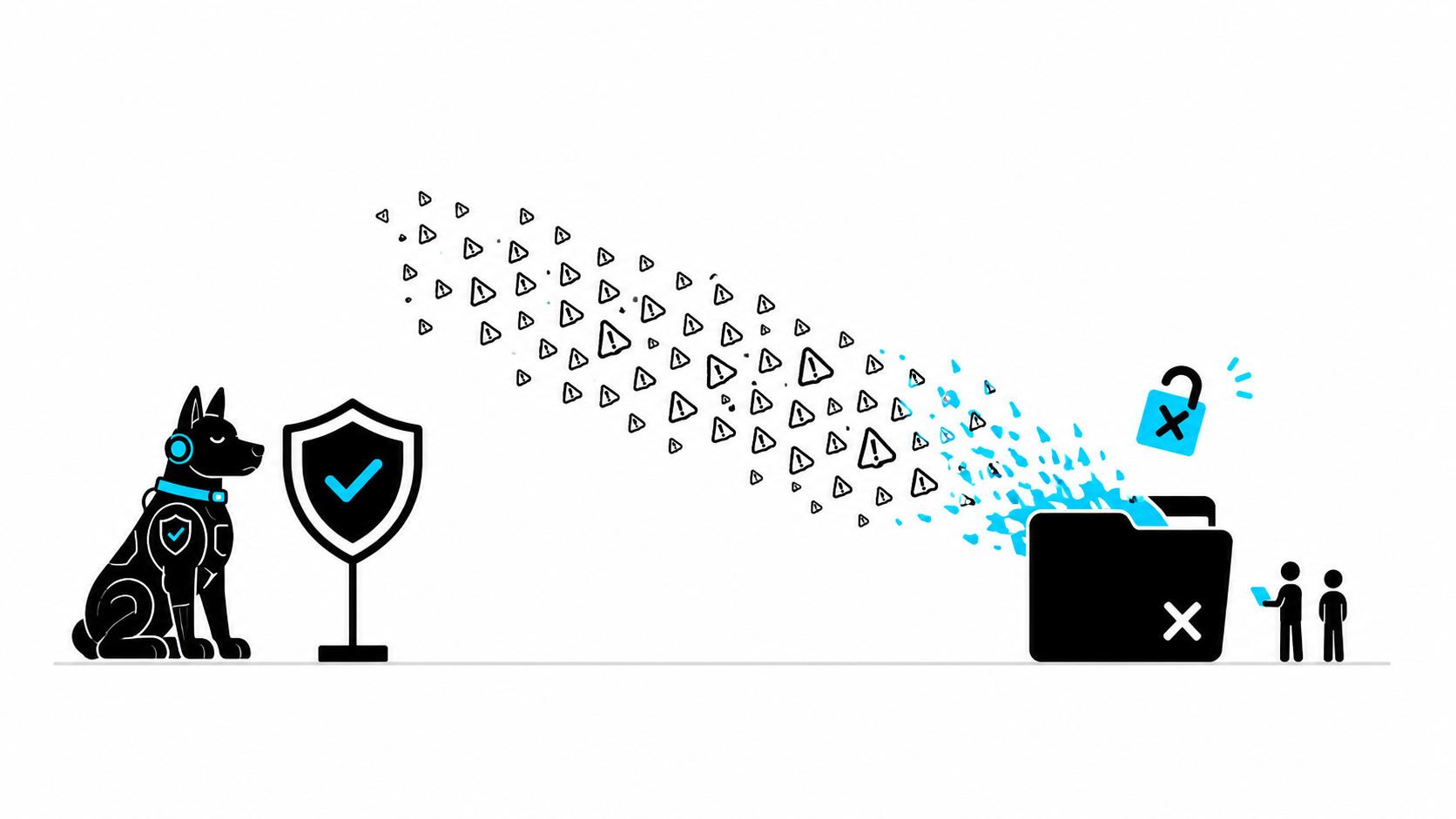
The Understory
The Purchase Order Is Not the Capability
Technology creates leverage only when configuration, maintenance, ownership, and response are designed around it. A product can be expensive, sophisticated, and completely ineffective at the same time.
Imagine walking into a hardware store, buying a high-end medical scalpel, placing it gently on your kitchen table, and confidently assuming your appendix can no longer burst.
If anyone you know did this, you would slowly back out of the room and call emergency services because that is the behavior of a deeply confused person.
Yet in corporate boardrooms across the globe, this exact baffling ritual happens every fiscal quarter. A company buys a multimillion-dollar cybersecurity tool, the executive team checks a box on a compliance spreadsheet, and everyone collectively sighs with relief. They believe they purchased protection.
Six months later, a teenager called X0_DarkSlayer_X bypasses the infrastructure using a default administrative password and an open remote desktop port.
The corporate suite sits around a polished mahogany table in paralyzing confusion, staring at one another like cows watching a passing train.
“How could this happen? We have a tool for that!”
Welcome to the grand delusion of modern enterprise technology: confusing ownership of a product with possession of a capability.
It is more romantic to believe you were outsmarted by a digital super-genius than to admit you bought a state-of-the-art deadbolt and left the keys dangling from the lock. The truth is usually less cinematic. Human configuration and operating choices remain major contributors to cloud security failures.
Here are three ways companies convert expensive security software into digital paperweights.
Section
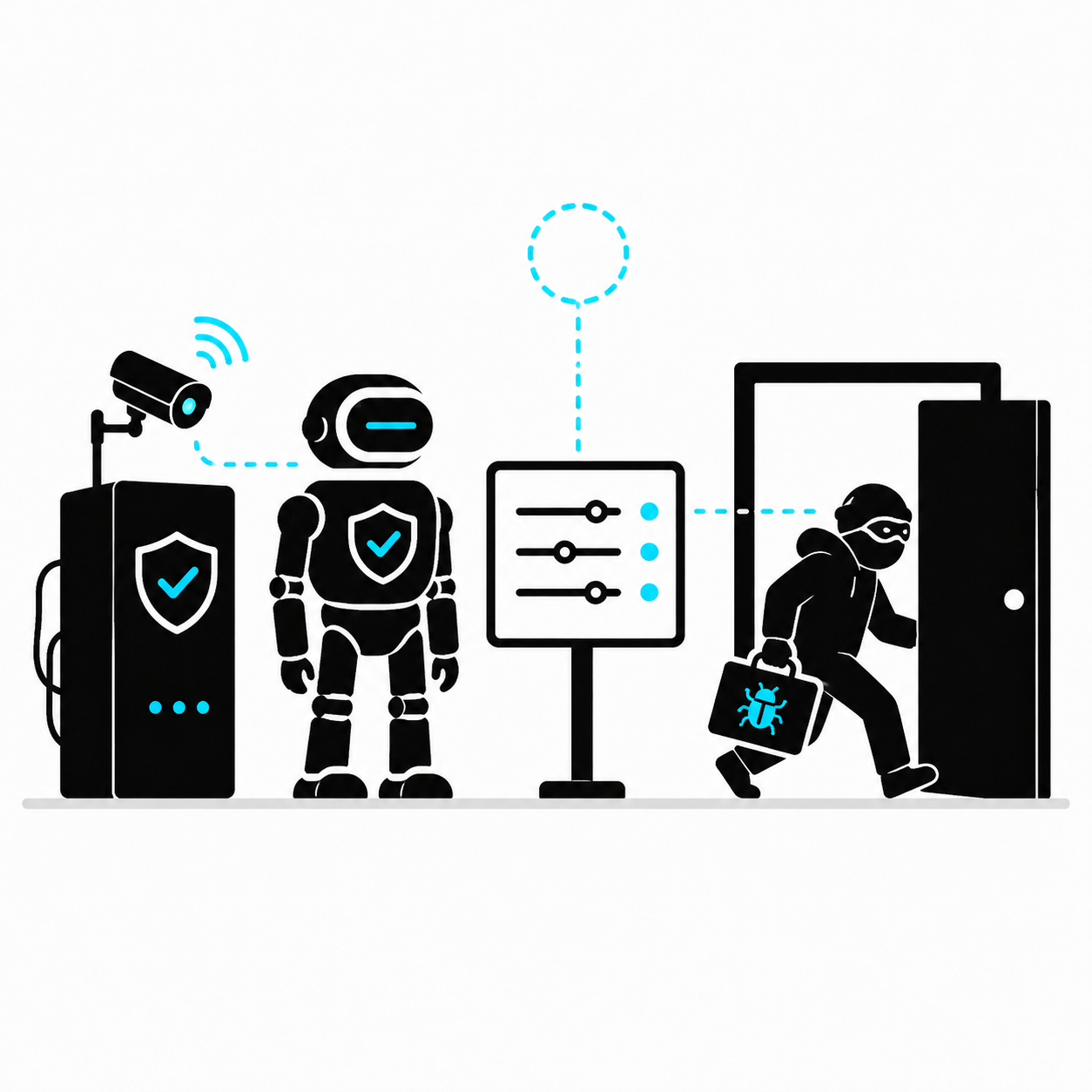
The Configuration Void
When a company buys an enterprise security tool, it arrives in a default state. “Default” does not mean optimized for your business. It means permissive enough that the vendor is unlikely to break your payroll system from 1998 and get blamed for a blackout.
Deploying a complex security suite with default settings is like buying a hyper-intelligent military guard dog, bringing it home, and never teaching it the difference between the mail carrier and a person carrying a crowbar. It sits on the rug blinking while intruders step over it to steal the television.
The tool is functional. The humans who plugged it in forgot that they had to tell it what to look for.
Section
The Maintenance Decay
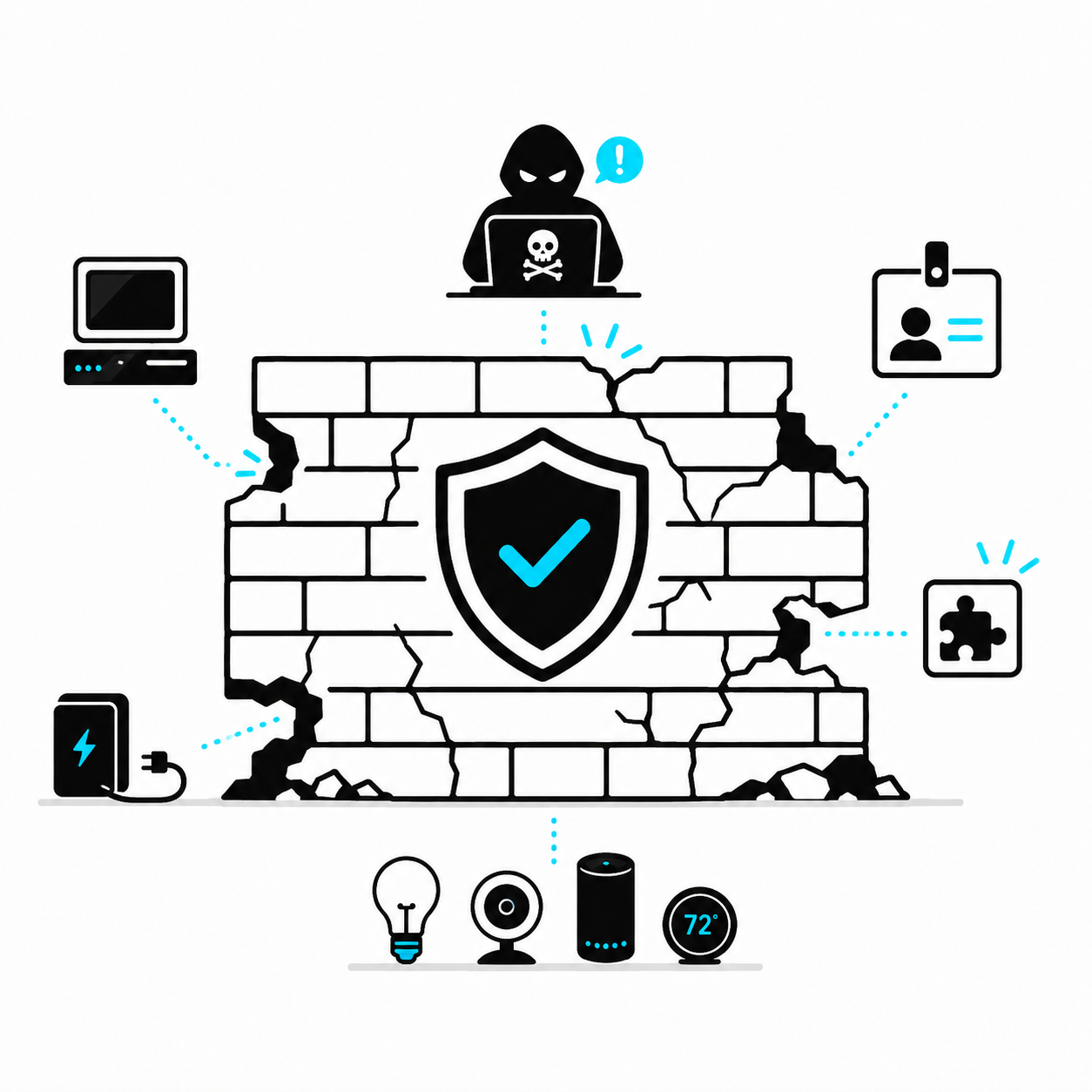
Software does not operate in a corporate vacuum. It lives in an environment where departments constantly request that security rules be weakened so they can download questionable templates, install incompatible plugins, and keep legacy systems alive.
When a security control blocks a legitimate employee from doing something unusual, a ticket appears. The fastest way to close the ticket is often to create an exception.
Over several years, those exceptions pile up like radioactive sludge.
- Temporary contractor access from 2021? Still active.
- A firewall hole created so an executive could test a smart refrigerator? Fully open.
- An old vulnerability left unpatched because downtime would be inconvenient? Quietly ignored.
By the time an audit occurs, the network may still look like a fortress. Up close, it is Swiss cheese left in the sun.
Outdated and unmaintained tools create a false sense of security, which can be more dangerous than knowing you have no lock at all.
Section
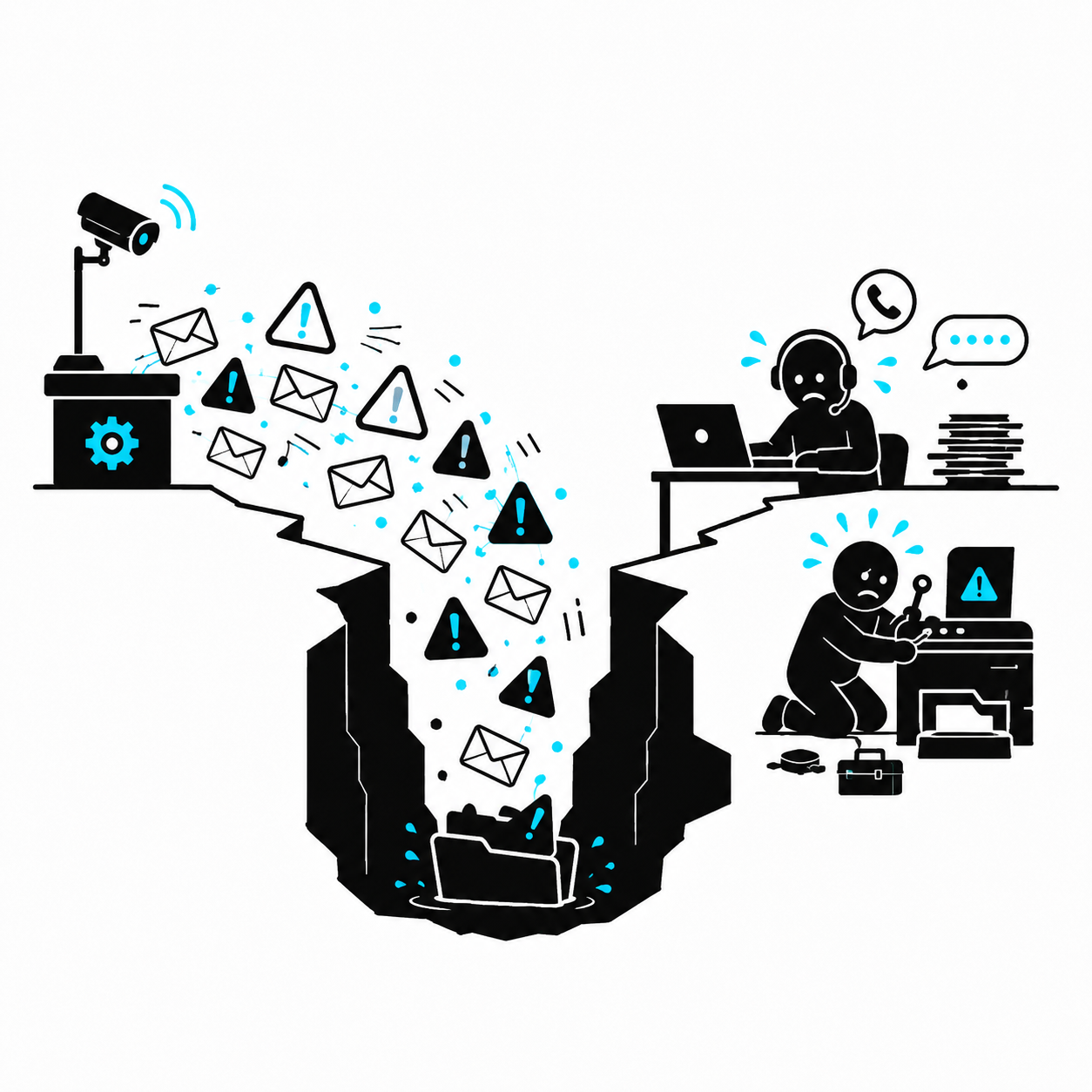
The Adoption Abyss
A tool can be perfectly configured and meticulously patched, but without a human workflow designed to absorb its output, it is a flagship thermometer informing a corpse that it has a fever.
This is the tragedy of alert fatigue. An enterprise security platform can generate thousands of warning logs every day. When the security function is two exhausted IT workers who also fix printers and reset executive passwords, those alerts are funneled into a folder called Review Later, also known as Q5, February 31, Never.
The 2013 Target breach remains a powerful example. The organization had sophisticated malware detection. The system identified suspicious activity and raised alerts. The human ecosystem around the tool failed to act on them.
The tool did its job. The operating system around it had dissolved.
Section
The Reframe: Tools Are Raw Ingredients
A security tool is an ingredient, not a meal. Buying an expensive copper-core sauté pan does not produce a Michelin-star beef Wellington on your counter.
Someone still has to control the heat, prepare the ingredients, and remain in the kitchen long enough to keep the whole operation from catching fire.
True protection extends beyond the purchase order. It lives in the unglamorous operational work of verifying that tools are configured correctly, maintained deliberately, and connected to people who know what to do when something happens.
Security teams should be able to answer three uncomfortable questions with certainty:
- When did we last test this? If you have not simulated a serious failure or targeted attack recently, your recovery plan may be wishful creative writing.
- Who owns the output? If an alert fires at 2:15 a.m. on Sunday, does it reach a responsible human or an inbox that sleeps until Monday?
- Which exceptions have we grandfathered in? Are old applications still leaving unnecessary openings in the perimeter?
When those questions do not have clear answers, put down the compliance checklist and inspect the capability you think you bought.
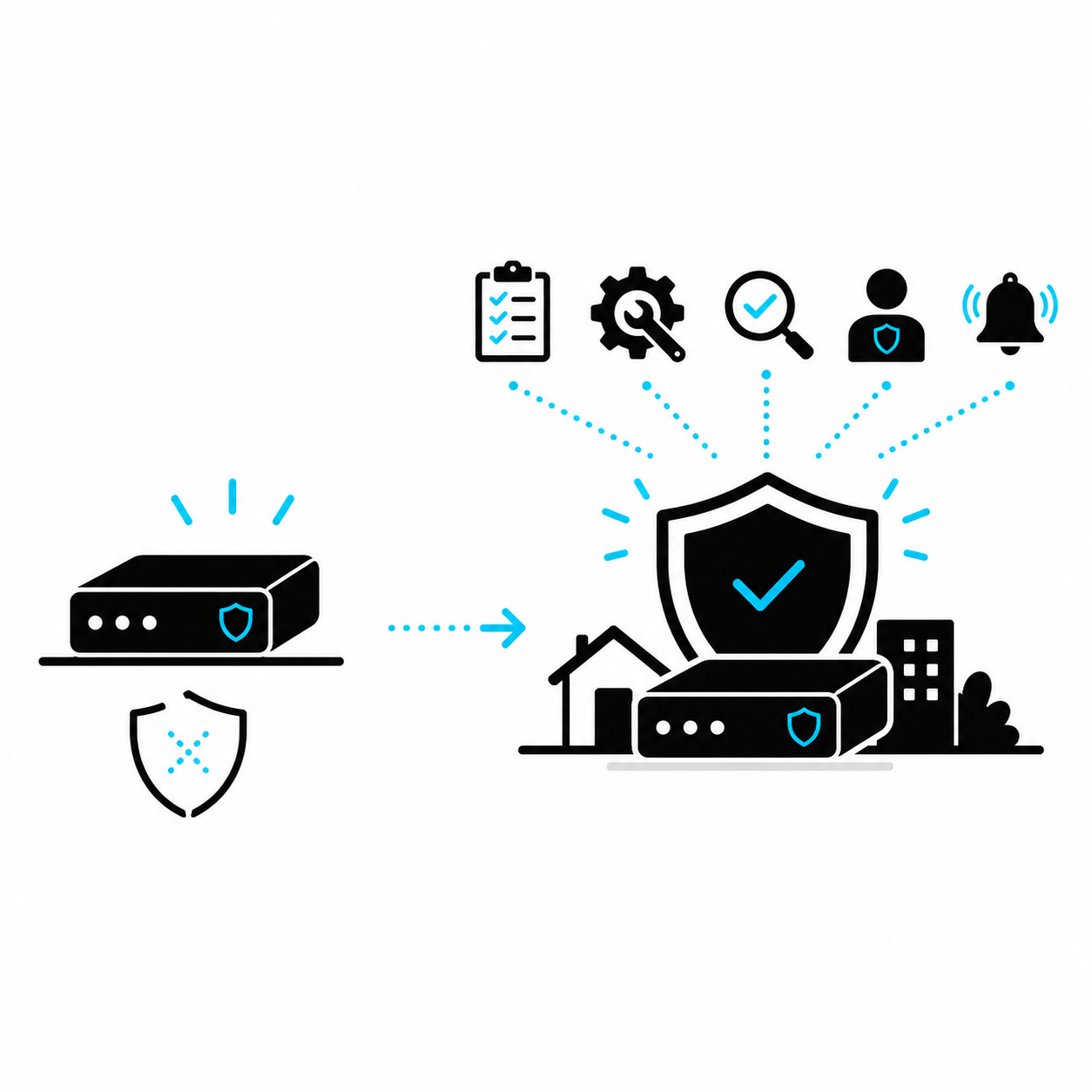
Owning the tool is the beginning. Configuration, maintenance, testing, ownership, and response are what turn it into protection.
More writing
Keep exploring the Field Notes.
Browse the full collection of illustrated articles on AI, security, workplace communication, change, and systems.